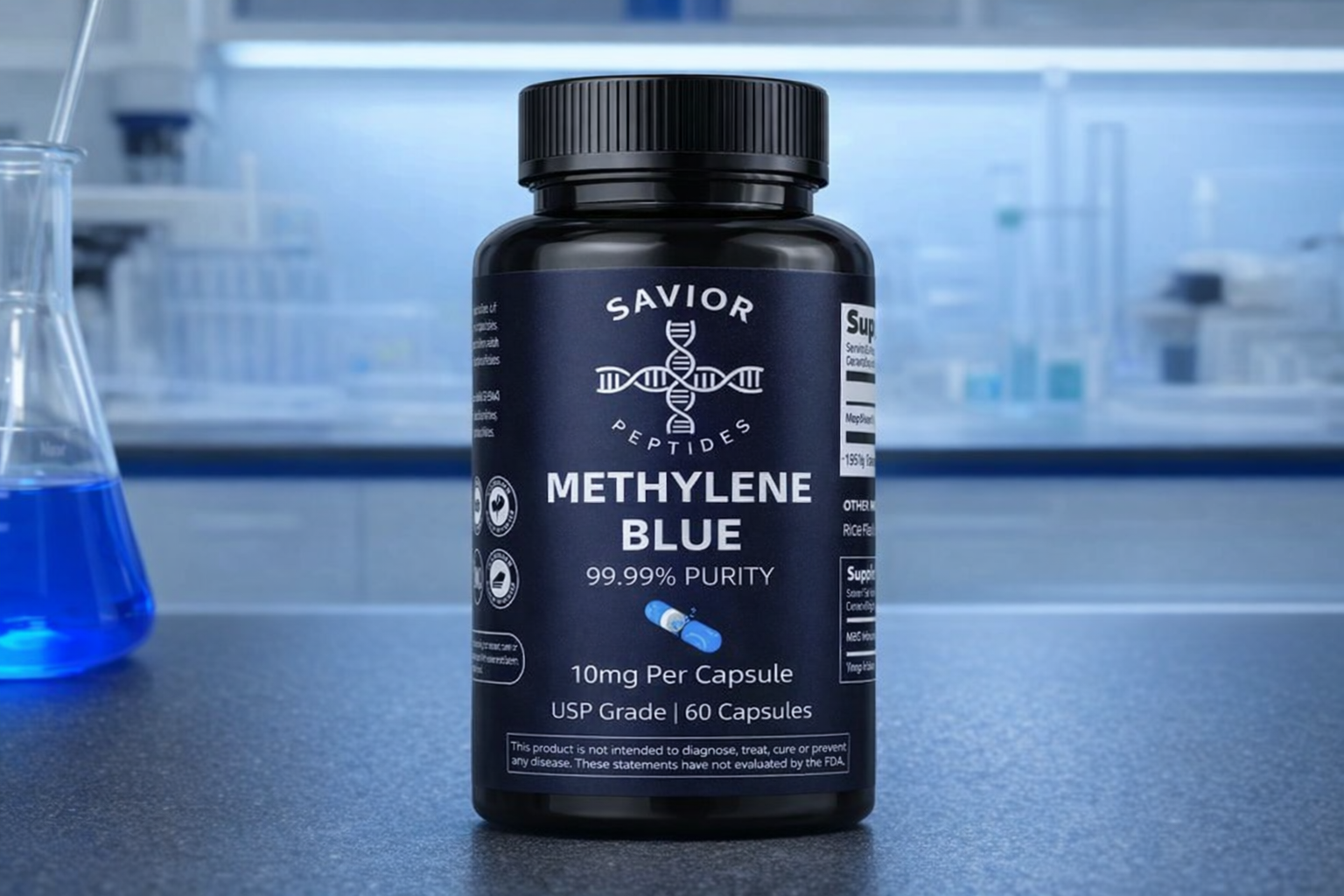
Methylene Blue 10mg x 60 Capsules
$60.0
Methylene blue capsules — research-grade cellular energy and antioxidant support, exploring mitochondrial function and cognitive clarity.
Categories Capsules, Cognitive, Other Products
Tags anti-aging, cognitive, methylene blue, mitochondria
Brand: Savior
Methylene blue only has one true FDA-approved medical use — treating methemoglobinemia, a blood disorder where red blood cells can’t carry oxygen properly. Everything else people take it for is off-label or still experimental. Here’s what the research actually shows:
Areas with real (if early) research support
- Mitochondrial/cellular energy support — MB can act as an alternative electron carrier in the mitochondrial respiratory chain, which may reduce oxidative stress through activation of Nrf2, a transcription factor that regulates antioxidant enzymes. This is the mechanistic basis for most of the “anti-aging” and energy claims. News-Medical
- Cognitive/memory effects — a study published in Radiology showed enhanced memory retrieval in healthy adults after a single dose, and it’s believed to support mitochondrial function and increase ATP production, which may contribute to cognitive benefits.
- Neurodegenerative disease research — several randomized clinical trials have investigated methylene blue for Alzheimer’s, with modified versions showing enhanced cognitive performance and reduced beta-amyloid plaque buildup in some studies. News-Medical
- Anti-aging/skin — MB has shown some ability to diminish oxidative stress by bypassing Complex I/III activity in mitochondria, with research ongoing into neurodegeneration, memory loss, skin aging, and even progeria. PubMed Central
- Oral mucositis pain — small studies suggest methylene-blue-based mouth rinses may help reduce pain from mouth sores caused by chemo/radiation (this is topical, not capsules). GoodRx
Important caveat
- Real risks exist, especially serotonin syndrome if combined with SSRIs/SNRIs/other serotonergic drugs, and hemolytic anemia in people with G6PD deficiency.
Be the first to review “Methylene Blue 10mg x 60 Capsules” Cancel reply
Reviews
There are no reviews yet.